
UltraMaroon, Reimagined: Inside the Party’s Next Era
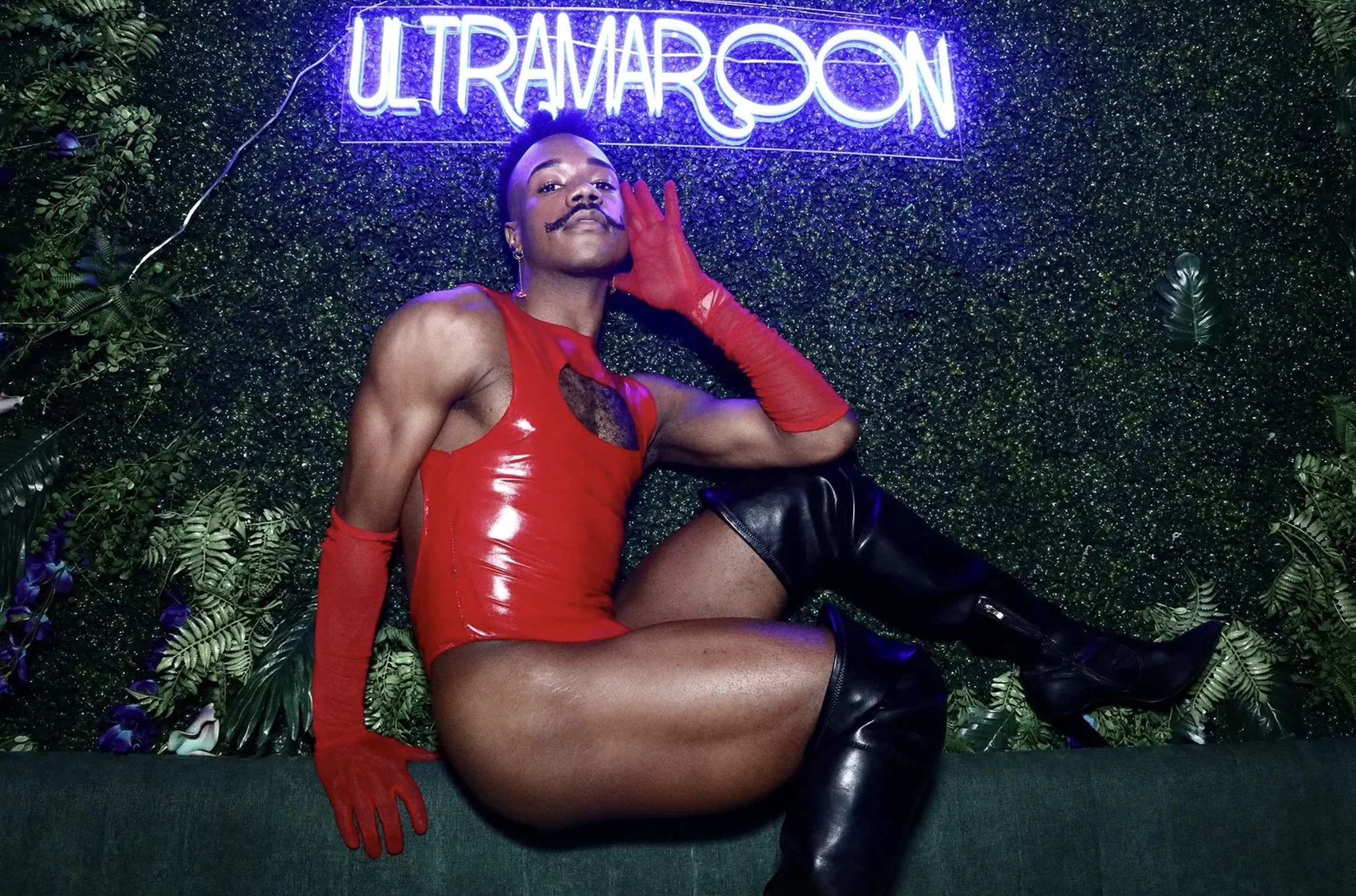
UltraMaroon Season 7
Following a wildly successful Season 7 opener, we sat down with the three people shaping UltraMaroon’s next chapter: Someone From Berlin, the party’s co-founder and co-creator, alongside lead producer Elijah Batchelor and Door Goddess Cristian Andrew. Together, they reflected on the pause that preceded this new era, the move to Eden, and the intentional choices guiding UltraMaroon forward, across sound, structure, and community. What follows is a look inside the party’s recalibration, and the values anchoring its future.
Reinvention is a tricky word in nightlife. Too often it becomes shorthand for bigger, flashier, louder—or worse, for forgetting why something mattered in the first place. But for UltraMaroon, reinvention isn’t about novelty or spectacle. It’s about return: to intention, to joy, and to the original reasons the party existed at all.
Season 7 of UltraMaroon opened this month with that very recalibration.
After years of building one of New York’s most beloved queer dance music institutions—through packed Sunday evenings, sweat-soaked dance floors, and a post-pandemic run that burned as brightly as it did intensely—UltraMaroon is stepping into a new chapter. A new home at Eden NYC, a refined cadence, a sharper sonic focus, and a renewed commitment to the community that has always been its foundation.
For founder and executive producer Someone From Berlin, this moment has been a long time coming. Not because UltraMaroon was faltering, but because it was succeeding at a pace that eventually became unsustainable.
“There was a point where the party started to take over everything,” Someone From Berlin has said of the later stretch of UltraMaroon’s previous era. In the immediate aftermath of the pandemic, momentum was undeniable. Dance floors filled quickly, expectations grew, and the pace of production intensified. But behind the scenes, the logistical demands of constant output made the monthlies harder to sustain.
Rather than push through burnout, the team chose something rare in nightlife: pause.
That pause—marked by a high note on Fire Island with IndepenDANCE and Pines Party—created space to ask harder questions. He asked: “Do we end here, satisfied? Or do we recommit, with clearer boundaries and deeper purpose?”
UltraMaroon chose the latter.
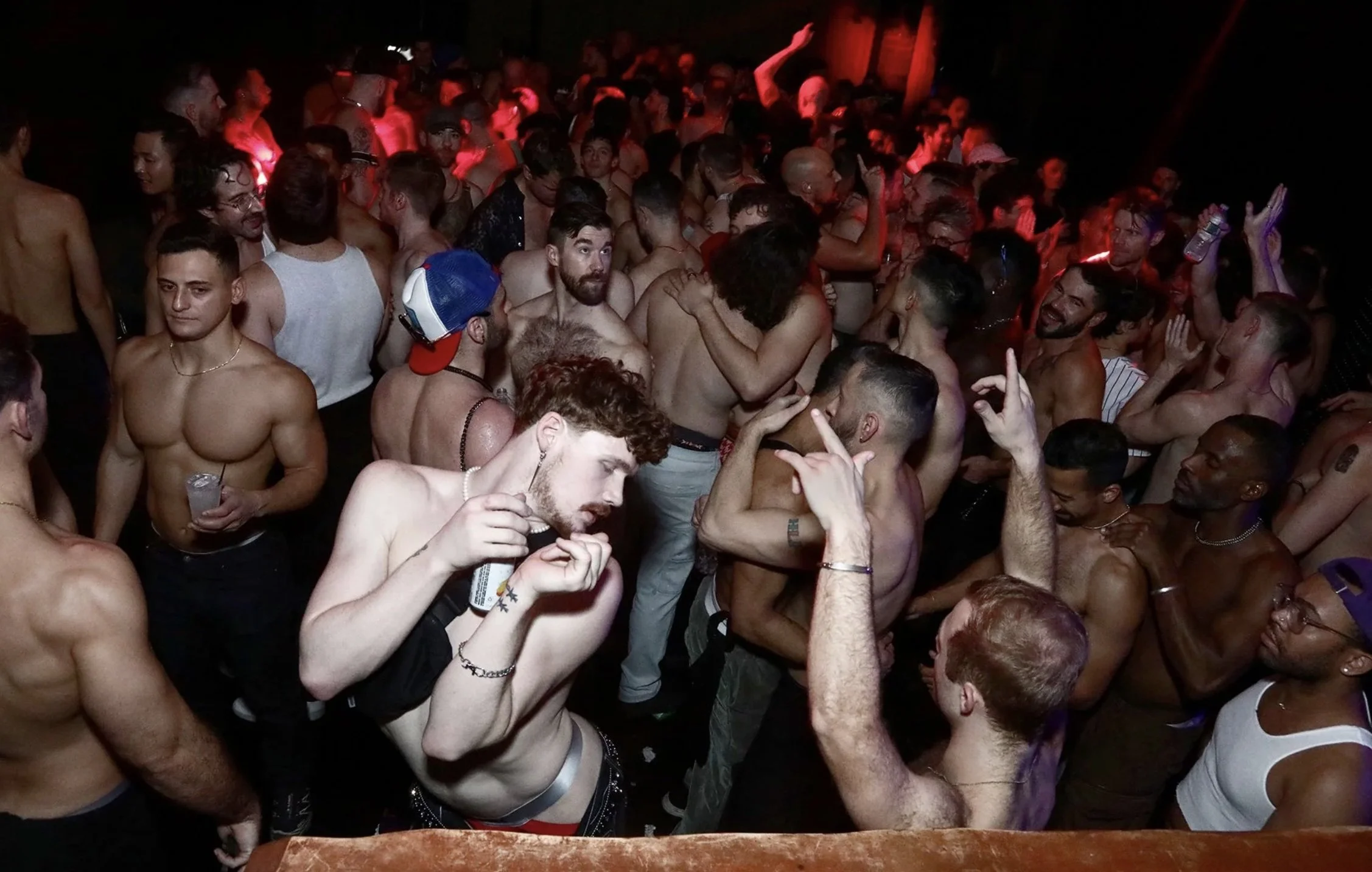
A New Home, A Familiar Feeling
The move to Eden is not incidental; it’s architectural to the reset.
For Elijah Batchelor, the first walk-through of Eden sparked something visceral. “I kind of got that little giddy feeling of being at a party in Manhattan again,” he recalls. That feeling of lineage, of history, of queer nightlife rooted in the city itself has been central to UltraMaroon’s identity since day one.
In recent years, New York’s dance music gravity has pulled increasingly outward to Brooklyn warehouses, Queens basements, and industrial edges. UltraMaroon, by contrast, has always resisted abandoning Manhattan altogether. There has always been a belief that queer dance music belongs in the heart of the city, not just on its fringes. Eden allows the party to double down on that commitment while offering something more immersive than a generic black-box club.
“You’re not just walking into a box with flashy lights,” Batchelor says. “You’re entering into an experience.”
That distinction matters. UltraMaroon has never been about excess for excess’s sake, nor about chasing the smallest, most exclusive room. From the beginning, the relationship to space has been intentional. The party started at The Lately—then the former Bungalow 8/No. 8 space—tucked upstairs in a room called “the library” that held maybe 50 to 100 people. Getting there meant walking through a mostly empty ground floor, a small ritual that made the gathering upstairs feel earned. Even the name UltraMaroon came from a cocktail on the bar’s menu that became a house special.
As the crowd grew, the party moved to Blue Midtown not to chase scale, but to hold a larger room without losing the intimacy and care that defined those early nights. Eden continues that lineage: with its scale, lighting, and sense of theatricality, becoming a collaborator rather than a container.
For Someone From Berlin, the venue also represents a practical evolution. Eden’s infrastructure allows UltraMaroon to focus less on constant reinvention and more on refinement—on doing fewer things better, rather than more things at once. Season 7’s opener arrived in January after this intentional reset, setting the tone as a comeback grounded in care, clarity, and renewed enthusiasm.
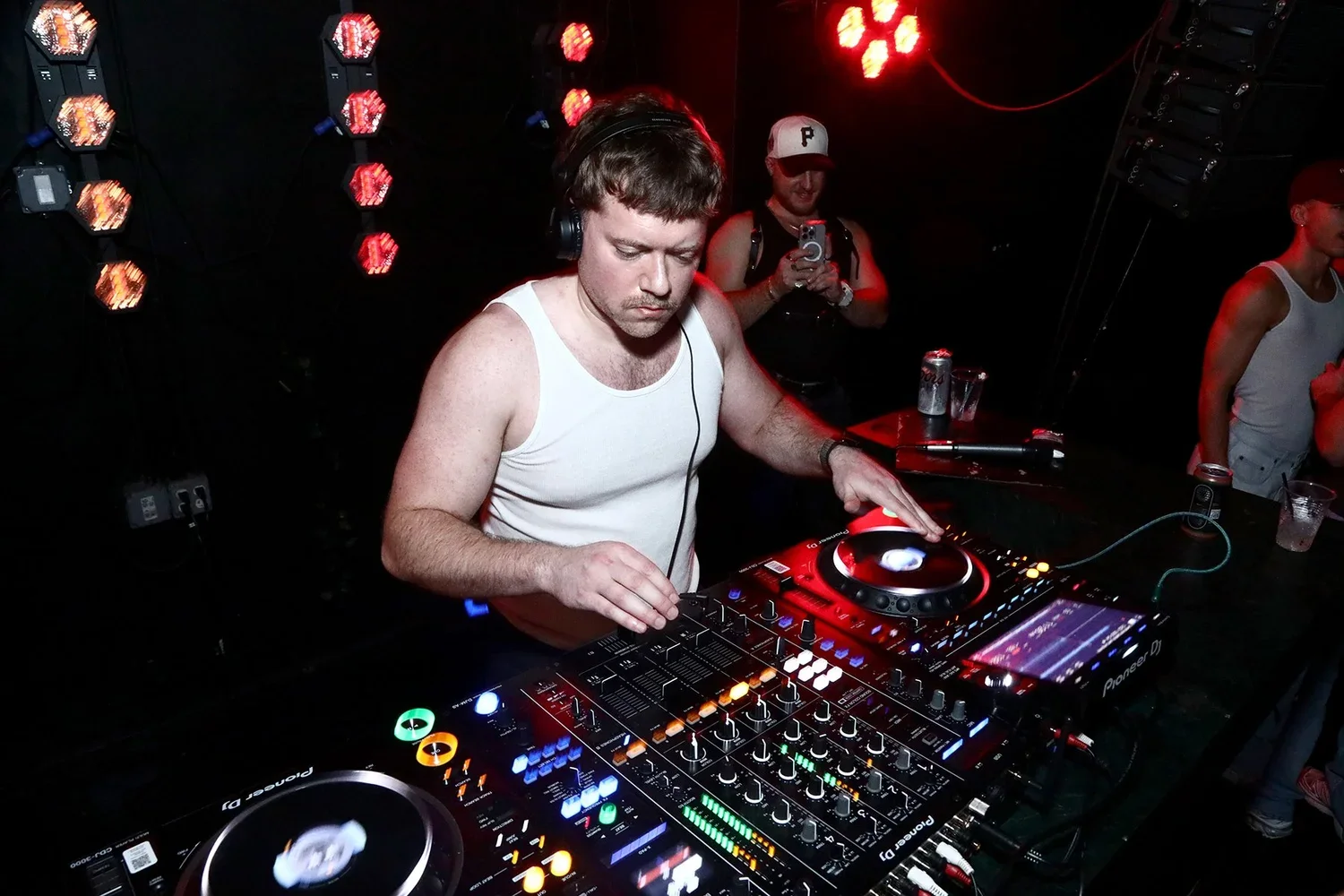
Sound as Storytelling
If UltraMaroon has a sonic value proposition, it’s this: deeply rooted house and techno, delivered with soul, history, and accessibility. That ethos remains non-negotiable.
“What will always be maintained,” Batchelor says, “is really freaking good music.” Not trend-chasing. Not optimized for algorithms or social clips. Music with narrative weight. DJs who arrive with something to say, not just something to play.
That philosophy is evident in the Season 7 lineup. Familiar family members like Justin Cudmore anchored the return. Alongside him, artists like Ladymonix (Detroit-based and deeply respected in dance music circles) reflect UltraMaroon’s ongoing commitment to sonic education through joy. Having two sound spaces at UltraMaroon also provides the opportunity to do more storytelling over the course of the night.
“We’re not just bringing a familiar rotation that’s always playing every club in New York,” Batchelor explains. “We’re trying to spice up who ends up on the lineup. And introduce our patrons to new names they’ll dance to for years to come.”
Someone From Berlin shares this long-view approach. UltraMaroon isn’t interested in chasing whatever sound is momentarily ascendant. The goal is to cultivate trust: that showing up means encountering something intentional, human, and connected to a broader musical history. It’s about lineage. Playfulness. Funk. The reminder that dance music is supposed to feel good—and that seriousness and silliness are not opposites.
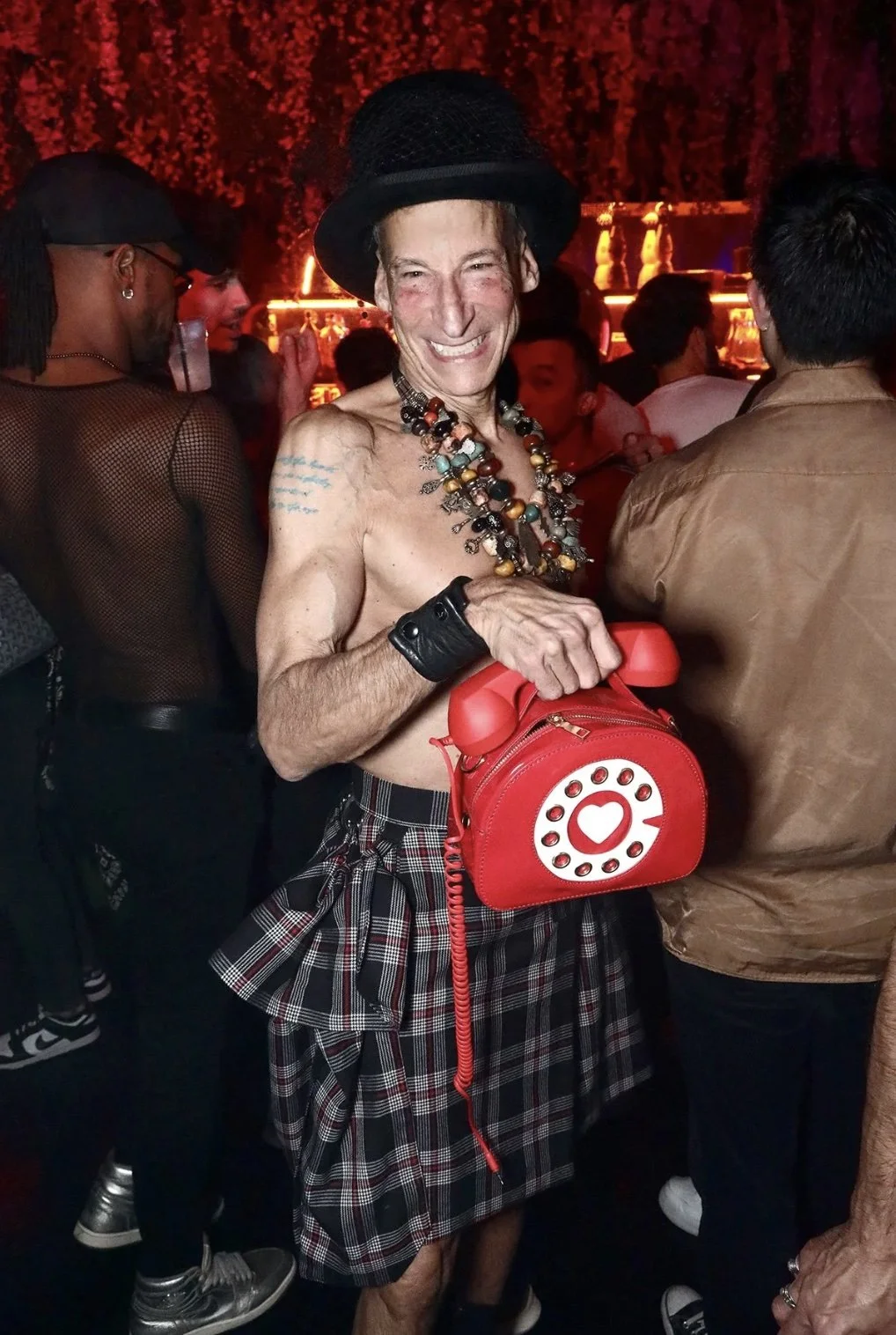
The Door Is the Community
If sound is the heartbeat of UltraMaroon, the door is its conscience.
For Cristian Andrew, community is an active practice. “There’s intentionality behind making sure people know they’re welcome,” Andrew emphasizes. “I want people to feel like this is their party, not something they’re just attending. When folks walk in, I want them to feel taken care of.”
That welcome isn’t symbolic or performative; it’s operational. UltraMaroon’s culture is built on recognition, care, and accountability. Hosts circulate, check in, and introduce people. They create conditions where strangers become familiar and where familiar faces feel seen.
“It goes beyond just having a wild night.” Batchelor says. “You can walk away with an actual relationship to the UltraMaroon family, our brand, and our mission.”
That relational quality is what allows UltraMaroon to hold such a wide spectrum of New York nightlife under one roof: circuit queens, Brooklyn club kids, Hell’s Kitchen regulars, dancers, DJs, first-timers. It’s a Venn diagram, overlapping and alive.
The UltraMaroon family is especially attuned to the political and social stakes of gathering right now. At a moment when queer rights are under renewed attack and public health realities—like rising HIV rates—are re-emerging, they are thinking seriously about how nightlife can support education and care without becoming preachy.
“People love to say the dance floor is a revolution,” Batchelor quips. “But partying alone isn’t a form of protest.” The point lands because it’s true. UltraMaroon isn’t claiming to save the world—but it is committed to honoring the activist lineage of queer nightlife through partnerships, resources, and presence.

A Sustainable Future
Perhaps the most tangible shift in UltraMaroon’s next era is its structure.
Gone is the expectation of repeating the same financially risky Sunday night, month after month, simply because that’s how it had always been done. In its place is a more flexible rhythm that allows UltraMaroon to alternate between larger-scale moments and smaller, community-driven gatherings, without the monotony or burnout.
Buoyed by the response to Friday’s Season 7 opener, the team is already refining that cadence. Larger events at Eden will now land roughly every other month while more intimate parties—branded as IntraMaroon, held at G Lounge in Chelsea—will continue to fill the space in between. The larger events retain the spectacle, the scale, and the collective release. The smaller ones create space for deeper connection: longer DJ sets by Ultramaroon Fam & Residents, more experimental sounds, lower stakes, and the kind of intimacy that’s increasingly rare in a hyper-optimized nightlife economy.
“For DJs who usually get 60 or 90 minutes,” Someone From Berlin notes, “this gives them the chance to play a full two- or three-hours.”
These in-between moments also keep the community intact between big nights out. Whether someone has been attending for seven years or showing up for the first time, the goal is continuity without exhaustion.
What emerges from all of this isn’t a party chasing relevance, but one claiming sustainability. There’s more conversation and more shared ownership amongst the broader UltraMaroon family. That openness, the team believes, will reverberate outward into fuller rooms, fuller hearts, and a season that feels aligned rather than overextended.
UltraMaroon’s next era doesn’t ask its community to start over. It asks them to come along. To new venues. To the dance floor. To a future that remembers where it came from—and why it mattered enough to begin with.
Catch IntraMaroon on Friday, February 20 at G-Lounge UltraMaroon on Friday, March 13 at Eden NYC.
