
Juliet Mendoza Steps Into an Era of Intention and Impact
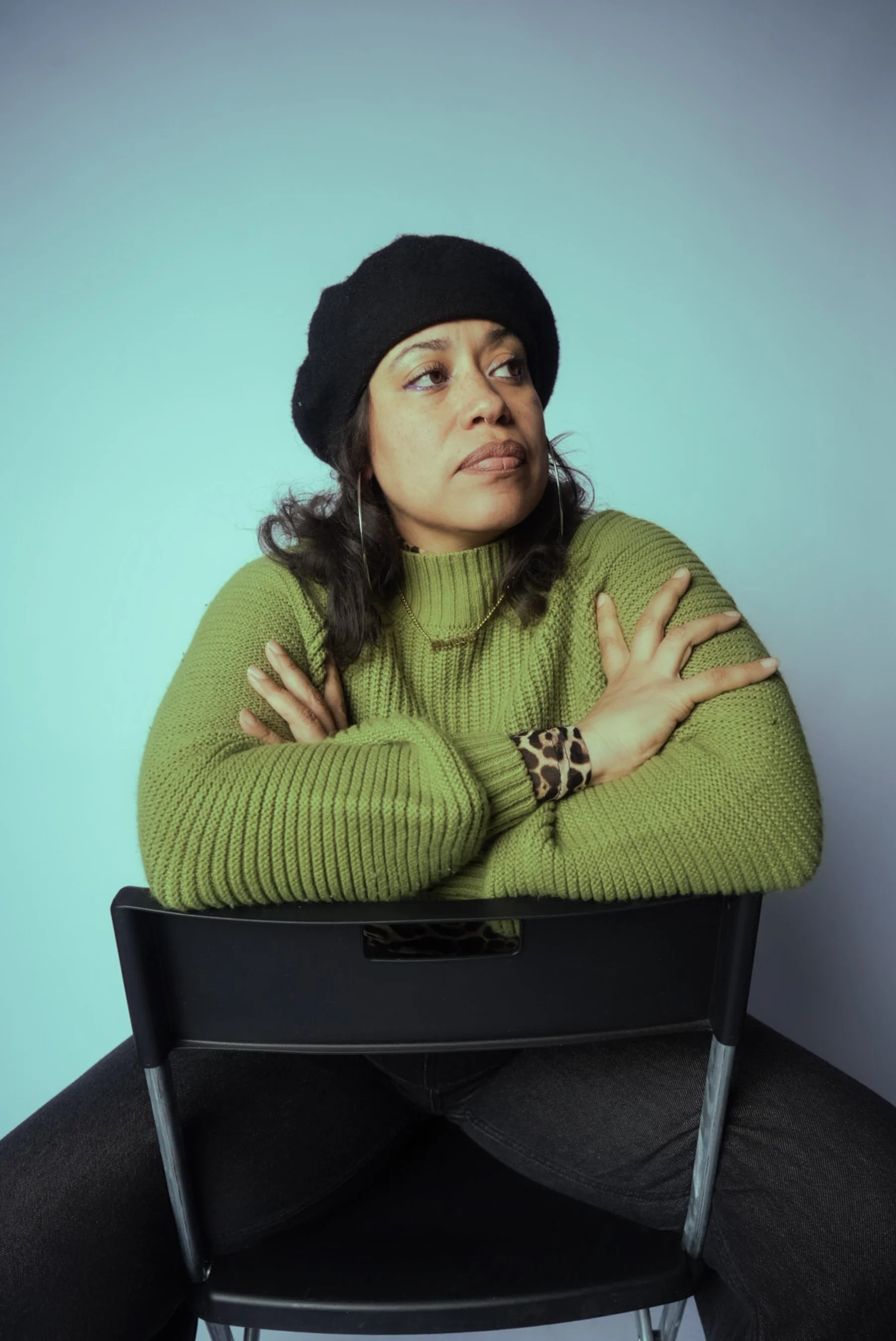
Juliet Mendoza
There’s a certain kind of DJ who grows outward — bigger stages, larger crowds, higher billing. And then there’s the kind who grows inward at the same time. Refining intention. Recalibrating purpose. Protecting the culture that raised them.
Juliet Mendoza moves in both directions at once. An Afro-Latina, L.A. native, and dancer at heart, she brings a deep respect for the dance floor to every set, blending fresh energy with classic house lineage and creating spaces where everyone can move, connect, and belong.
In recent years, her visibility has expanded: international bookings, globally recognized party brands, festival slots, and releases on respected imprints, including a forthcoming EP on Nu Groove Records. Beneath that momentum is something steadier — a dancer-first philosophy and a growing commitment to building intentional community through her new imprint, Spiritual Systems Records.
Ahead of her upcoming appearance at UltraMaroon at Eden in New York, Juliet Mendoza caught up with Sainte Francis for a conversation that moved from pirate ships in Croatia to Detroit lineage, creative recalibration, intimate club culture, and what it really means to “bring it.”
Sainte Francis:
Juliet, I’m so excited to talk to you! And if you don’t know — I was the guy in your DMs a few weeks ago asking for the track ID from when you played Glitterbox at House of Yes last year. (laughs)
Juliet Mendoza:
Oh my God, yes! Did I ever get you that track ID?
Sainte Francis:
You did. Thank you. It was “All Night” by Timmy Tom, and I’ve been rinsing it ever since.
To kick us off — I was actually introduced to you and your music in 2022 at Defected Croatia after you won the Unsung Heroes competition. It was my first time at the festival, and I got a chance to see your set that week. What do you remember about that experience?
Juliet Mendoza:
That whole week felt unreal. I remember being put on a speedboat to get from one stage to a pirate ship to play. It genuinely felt cinematic. They were coordinating it over the radios like, “We’ve got her on the speedboat!” and I’m just sitting there thinking, How is this my life right now?
Beyond the production and the scenery, what stayed with me was being surrounded by people from all over the world who care deeply about house music. It made me realize the sound I’d been building in my own community resonated far beyond it.
At the time, I was just trying to stay present and do a good set. But it definitely expanded my perspective.
Sainte Francis:
It’s been such a pleasure watching your career and growth since that moment. Over the past few years, your visibility has grown a lot. You’ve stepped onto massive stages like Coachella, opened for major names, and continued playing more intimate rooms. How has navigating both ends of that spectrum shaped you creatively?
Juliet Mendoza:
They require different things from you. The big stages — you’re thinking about scale. You’re thinking about how sound carries in a massive space. How to hold attention in a different way. The intimate rooms, though, that’s where you can really stretch. That’s where you’re looking people in the eye. You can experiment more. You can take your time. I don’t think one is better than the other. They just ask different things from you. And I’ve learned a lot from both.
At the same time, this past year forced me to slow down creatively. I hit some blockages. Instead of trying to outwork them, I had to sit with them. It felt very Year of the Snake — shedding skin. Letting go of old narratives.
I had placed expectations on myself. That growth had to look like constant output. Always visible. Always announcing something. And I realized that wasn’t sustainable. So, I started asking myself bigger questions. What are you building? What do you want people to feel when they experience your work?
That reflection changed how I move now. I’m more intentional.
Sainte Francis:
And in that intentional shift, you stepped fully into launching Spiritual Systems Records, forthcoming this spring?
Juliet Mendoza:
Yes! The idea started a couple years ago, but I needed clarity before committing. As you grow, people pull at you from different directions. Everyone wants something. I wanted to create something with direction — a clear sonic world and philosophy.
I’m self-taught as a producer. I've always been around music, via my parents and my dad's band. I learned by experimenting, making beats and tracks, on my iPad that I put into an MPC. I would make beats during lunch breaks, every chance I got. Then, I’d send them to dancer friends and watch their reactions. That's something that helped me understand that I could be creative in that sense too. And it didn't feel forced. That’s when I started to actually understand that I have an ear for music, I never went to school for it.
With Spiritual Systems Records, I want to offer that same kind of guidance, especially for marginalized artists, queer artists, artists of color. Community matters. Feedback matters. Dialogue matters. It’s not just about releasing records. For me, it’s about building something sustainable.
Sainte Francis:
You’ve talked about building intentional spaces — not just safe, but intentional. I’m curious where that started for you — and how that perspective informs the way you think about protecting dance floors now.
Juliet Mendoza:
That’s just how I experienced the music first. I was in the clubs. I was on the dancefloor. I was watching DJs and feeling what they were doing before I ever thought about being behind the decks. So, when I play, I’m thinking about the dancers. I’m thinking about how something feels in your body.
The dance floor is the teacher.
And I think that’s why I care so much about creating intentional spaces. Last year especially, there were a lot of pioneers who spoke up about things. It made you really think — what are we as a community? A lot of people were acknowledging we need to create safe spaces. Really understanding there’s an etiquette to club life and to underground culture. We need more of those conversations.
Sainte Francis:
What excited you most about this upcoming year, and continuing those conversations?
Juliet Mendoza:
Honestly? Throwing parties. I’m starting a residency in L.A. connected to the label. And I’m launching a party called “The 100.” It’s 100-capacity only.
After the pandemic, everything moved so fast. Festivals, big stages. A lot of clubs disappeared. Everybody just wanted to be outside. But I started asking, where are the clubs at? Where are the intimate spaces?
I want to take it back to that era of being in a room with strangers who become family every time the party happens. A space where everyone understands the assignment. Where it’s okay to be yourself. Not just safe, but intentional.
This year, I’m also excited about my EP on Nu Groove. That project took time. I had creative block while working on it. I had to sit with the music and not rush it. Nu Groove has such deep roots in house music. It’s a label you grow up respecting. So, to finally have a body of work there — after taking the time it needed — feels deeply meaningful.
Sainte Francis:
Speaking of being immersed in rich, meaningful dance music culture, last year was also your first time playing Movement in Detroit, right?
Juliet Mendoza:
Yes. Detroit is so special to me. I’ve played there before, but I had never been to Movement. I’d heard so many amazing things about it. When I realized I actually get to play a Movement party, I was like, wow. This is insane.
I got to play with Soul Clap, and that party alone — it’s the never-ending party. Just so much inspiration. It was beautiful to be around that much history and community.
Sainte Francis:
We’ve been talking a lot about community, which makes me think about your recent set with Black House Radio – which was major! That felt like such a vibrant moment. What was that experience like for you?
Juliet Mendoza:
Black House Radio felt like a proper L.A. function. It wasn’t just a radio set. It felt like culture in motion. Terry Hunter was playing before me. So, as you can imagine, the room was already packed with dancers, elders, younger DJs, producers. It didn’t feel segmented. It felt unified.
Toyin was there. I’ve known her for so many years. We’ve danced in so many spaces around the world together. She’s such an amazing house dancer. And Packrat Lanvin was there, who’s a voguer, a legend. Seeing ballroom energy connect with house music like that, and having those people in the same room telling the story of the music being played — are you kidding me? I was so happy!
Sainte Francis:
As you know, UltraMaroon is deeply rooted in curating that same kind of community — open, diverse, queer-centered, and grounded in the lineage of this music. You’ve played parties produced by the UltraMaroon crew before, including IndepenDANCE, I believe, in 2023?
Juliet Mendoza:
Oh my God, IndepenDANCE was so much fun! I was like, wow, I am really entering another world right now. And it was beautiful, and everybody was just lovely. It was an amazing space where people just felt free. And I think that because a lot of us struggle with finding our voice. When I see people just being in their skin and not having to think twice about watching their back, and just being themselves, I love that energy.
Sainte Francis:
I went to Fire Island for the first time this year for Pines Party. Stayed up all night. Fully committed.
Juliet Mendoza:
That’s the way to do it.
Sainte Francis:
It really is.
Juliet Mendoza:
Exactly. That’s what those spaces represent. They center queer joy. You can feel that everyone is there to really experience it.
Sainte Francis:
And now you’re about to step into UltraMaroon at Eden NY.
Juliet Mendoza:
It feels full circle. I come from queer dance floors. That’s where I found freedom. That’s where I found family. So being invited into a space that centers that energy means a lot. And I’m going to bring it.
Sainte Francis:
What does “bring it” mean in a Juliet Mendoza set?
Juliet Mendoza:
We’re going to sweat. We’re going to get wild. We’re going to let go. When I go in, everybody sweats. If it ain’t wet, I don’t want it! But underneath that, it’s intention. Reading the room. Building tension and releasing it at the right time. I want people to leave feeling something. That’s impact to me.
Sainte Francis:
So looking forwarded to meeting you in person, Juliet. This conversation has given me so much life!
Juliet Mendoza:
Yes, see you soon babe!
Catch Juliet Mendoza with Rigopolar at UltraMaroon on Friday, March 13 at Eden NYC.
